STEM: Opening Hearts Opens Eyes
Opening Hearts Opens Eyes
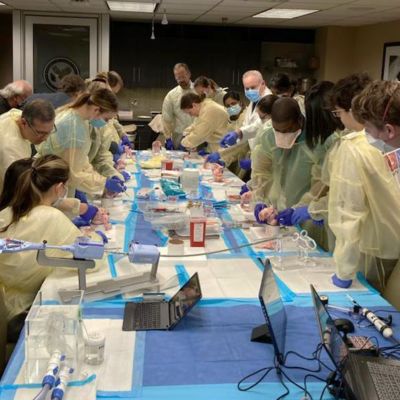
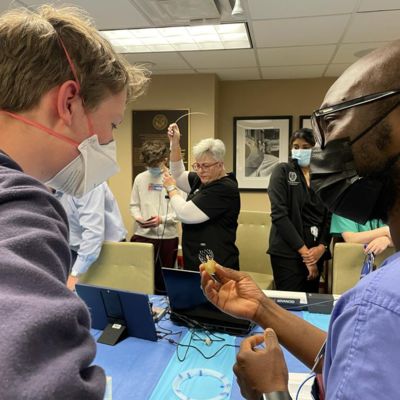
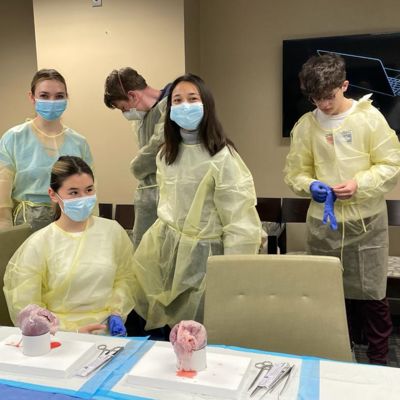
On March 18th, ten students from grades 5 -11 attended a Heart Symposium at the Washington Veterans Affairs Medical Center principally meant for medical students. Dr. Christian Nagy, a cardiologist and Assistant Professor at George Washington University, who had arranged the GISW visit, welcomed the students. First, everyone was treated to a delicious omelet breakfast. Then the symposium began and medical students and experts presented cases of patients of different ages who needed heart valves replaced. It was then discussed whether and why patients were either treated with open heart surgery or transcatheter aortic valve replacement surgery, a less invasive but not always better option.
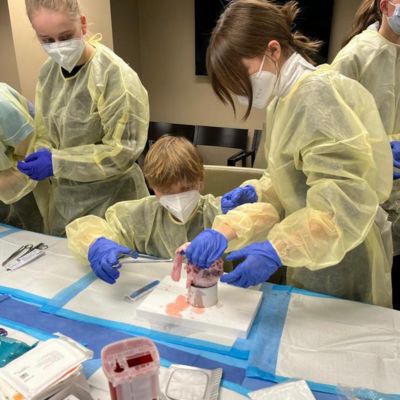
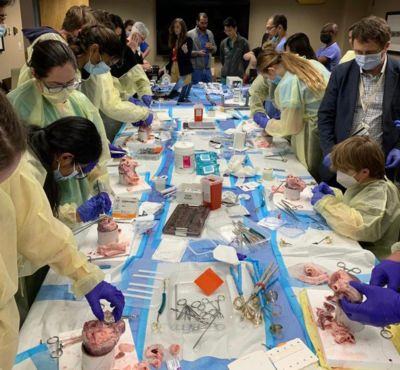
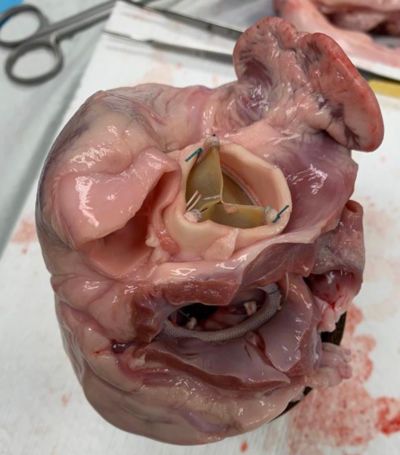
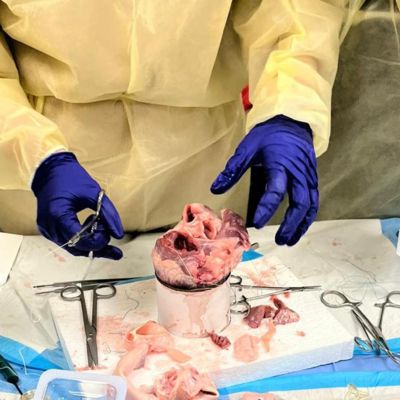
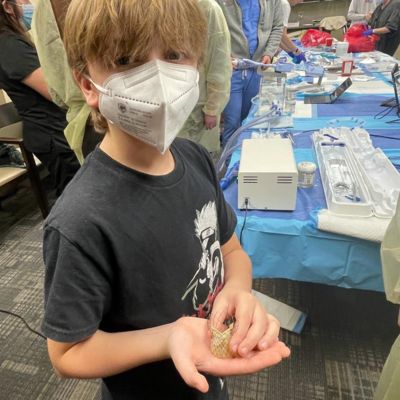
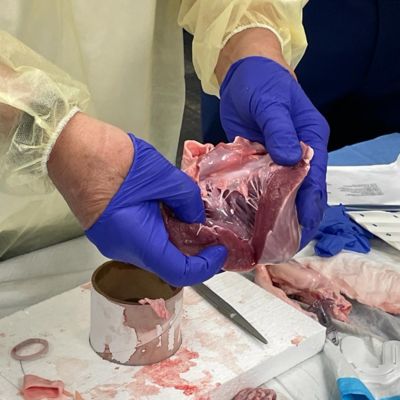
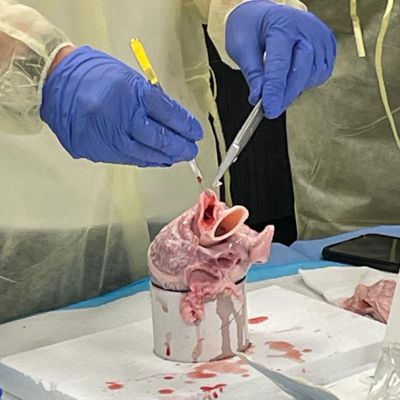
After that introduction came the practical part. All participants were paired up and dressed in lab coats and gloves. I worked with Leo from 11th grade. Like the medical students who participated, we followed the instructions of a cardiologist on how to insert a real heart valve into a fresh pig heart. Pig hearts resemble human ones quite closely in size, structure and function so the students could have a sense of realism in the experience. This realism and the fact that medical students and experts attended the symposium piqued the interests of GISW students who might be interested in careers in the medical field.
As a follow-up Dr. Nagy visited the school on March 31 during our MINT-series to discuss his field of expertise with a broader group of students and explain what it means to be a cardiovascular surgeon. He also described the process of how one becomes a doctor; excel in science classes he said, and of course, graduate! He also explained that the journey of becoming a doctor, and specifically a cardiologist, is difficult, but worth it.
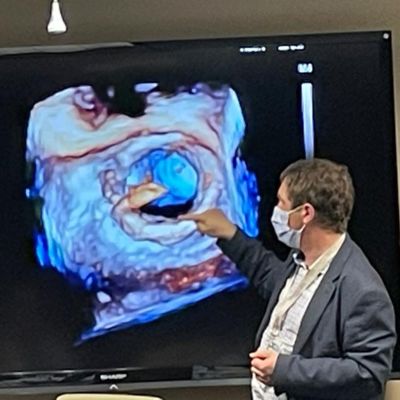
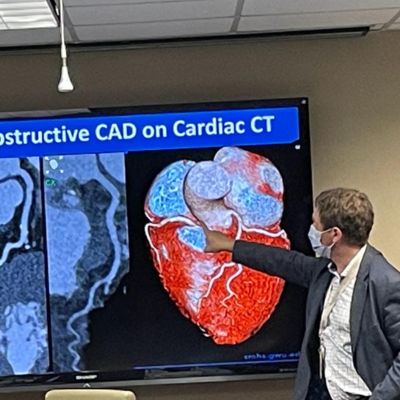
Doctor Nagy also shared images and videos of the heart symposium with the student body and detailed exactly how the two big surgeries for implanting artificial valves (transcatheter aortic valve replacement and open-heart surgery) work. He even brought some actual models for us to observe to school.
Thanks to Dr. Nagy the students who attended the heart symposium at the Medical Center and the presentation at our school were very interested in learning more about cardiology and look forward to more opportunities to study about the medical science.
Benjamin K. (10b)